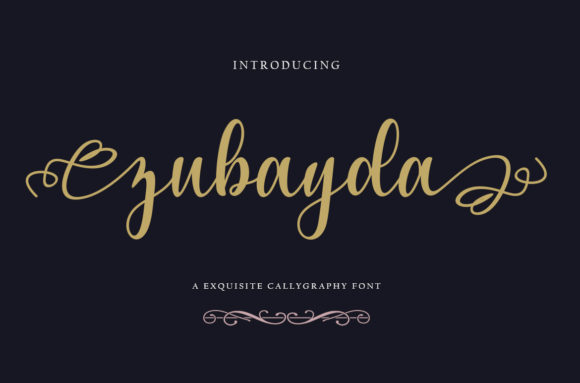
Zubayda: A Handwritten Script Font for Authentic Branding
I was staring at a blank canvas in my design software, trying to find the perfect touch of warmth for a new line of artisanal soy candles. The product photography was clean and minimalist, but the labels felt cold—too corporate for something handmade with love. That’s when I pulled up Zubayda, a script handwritten typeface that immediately softened the entire composition. It wasn’t just about adding text; it was about injecting personality into a physical product. After spending an afternoon testing this font on various mockups, from delicate sticker sheets to sturdy tote bags, I realized how powerful a single creative font can be in elevating a small business brand identity.
If you are a crafter, Etsy seller, or digital creator looking to add a personal charm to your projects, understanding how specific fonts behave in real-world applications is crucial. Zubayda isn’t just another decorative element; it is a tool that bridges the gap between professional polish and homemade authenticity. Below, I’m sharing my hands-on experience using this typeface across different mediums, along with practical advice on how to use it effectively in your own shop.
Zubayda for Candle Labels and Boutique Packaging Design
When designing packaging, the first thing I noticed about Zubayda is its authentic feel. It mimics the natural flow of handwriting without feeling messy or illegible. For candle labels, this is a game-changer. I tested the font on small circular stickers and rectangular kraft paper tags. Because Zubayda has such a distinct, friendly character, it stood out beautifully against textured backgrounds where more rigid fonts might get lost or look harsh.
The visual personality of this script handwritten style adds immediate emotional appeal. Customers often associate handwritten elements with care, attention to detail, and human connection. When you apply Zubayda to product tags, you aren’t just labeling a jar; you are signaling that a real person curated that item. However, keep in mind that while it works wonderfully for short phrases like "Lavender Haze" or "Hand Poured," it may not be suitable for dense label information. Always reserve the main body text for a clean sans serif font to ensure customers can read ingredients and safety warnings clearly. This contrast between the decorative Zubayda title and the functional body text creates a hierarchy that guides the eye and maintains readability.
Zubayda in Wedding Invitations and Stationery Mockups
One of the most popular requests I see from clients is for wedding stationery that feels modern yet romantic. Zubayda fits perfectly into this niche. In editorial design, particularly for invitations, the goal is often elegance mixed with approachability. I used Zubayda for the couple’s names on a digital invitation preview, pairing it with a simple, thin serif font for the date and venue details. The result was a balanced layout that felt high-end but inviting.
Because Zubayda is a Script Handwritten typeface, it carries a sense of movement. On a static image like a listing photo or a PDF preview, this movement draws the viewer in. It inspires new design projects by offering a quick way to inject sophistication. Whether you are creating welcome boards, place cards, or thank-you notes, this font provides a consistent thread of charm. Just be mindful of scale. When scaling down Zubayda for tiny RSVP cards, ensure the stroke weight remains visible. If the lines become too thin, the "handwritten" illusion breaks, and it starts to look like a blurry mess. For best results, use it as a display font for headlines and names rather than long paragraphs of text.
Zubayda for Digital Printables and Planner Pages
As a printable creator, I know that digital downloads need to be versatile. I downloaded Zubayda to test its performance in a weekly planner template. The font’s personal charm made the headers pop without overwhelming the functional grid lines of the planner. It worked exceptionally well for motivational quotes or section dividers within the pages.
This premium font also shines in social media graphics. When designing Instagram posts to promote your shop, you want your branding to be instantly recognizable. Using Zubayda for quote graphics or announcement banners helps establish a cohesive aesthetic. Since it is a creative font, it pairs beautifully with bold display fonts or clean sans serif fonts. For example, I paired Zubayda with a heavy, blocky sans serif for a "Sale" banner. The contrast between the soft, flowing script and the hard, geometric sans serif created a dynamic visual tension that caught the eye in a crowded feed. Remember to check the file formats included with your license; having both TTF and OTF files ensures compatibility with platforms like Canva, Adobe Illustrator, and Procreate, which is essential for digital product creators.
Zubayda for Merchandise and Cutting Machine Projects
For makers who use Cricut or Silhouette machines, typography is often the centerpiece of the project. I tested Zubayda on vinyl decals intended for mugs and water bottles. The curves and swashes in the letters held up well during the weeding process, provided the design was scaled appropriately. The font’s authentic feel translates surprisingly well to physical merchandise, giving mass-produced items like tumblers or tote bags a custom, boutique look.
However, there are limitations. Zubayda is not ideal for very tiny cuts. If you are making jewelry tags or micro-stickers under half an inch, the intricate details of the script may disappear or tear during weeding. In these cases, opt for simpler, bolder letterforms. Additionally, always verify the commercial font licensing before selling physical products. Some licenses allow unlimited merch sales, while others have caps on print runs. Understanding these terms protects your business and ensures you are respecting the type designer’s work. By choosing a versatile typeface like Zubayda, you gain a reliable asset that can span from digital templates to physical goods, maintaining brand consistency across all touchpoints.
Optimizing Readability and Font Pairing Strategies
The success of any design relies heavily on how well the chosen handwritten font interacts with other elements. Zubayda is charming, but its primary strength lies in its ability to complement rather than compete. I recommend pairing it with a neutral sans serif font for secondary information. This combination leverages the strengths of both: Zubayda provides the emotional hook and visual interest, while the sans serif provides clarity and structure.
When preparing your designs for market, whether they are SVG files for crafters or high-resolution PNGs for printables, consider the context. A font that looks great on a large poster might fail on a mobile screen thumbnail. Test Zubayda at various sizes to ensure legibility. Use strong contrast between the text color and the background. If you are designing for seasonal products, such as holiday tags or summer sale signs, Zubayda’s warm tone adapts easily to different palettes. Its versatility makes it a valuable addition to any designer’s toolkit, allowing you to create cohesive, attractive designs that resonate with buyers who appreciate the handmade aesthetic.